China is the largest source of imports for many Saudi businesses, from industrial supplies and spare parts to construction materials and electrical equipment. The prices can be excellent, but the risks are real: a supplier that is a trading company rather than a factory, goods that differ from the approved sample, or certificates that customs will not accept. Here is how to manage them.
1. Find the right supplier
Online marketplaces are a good place to start, but treat every listing as a lead, not a guarantee. Shortlist three to five suppliers and ask each for:
- the business licence, and whether they are the manufacturer or a trading company;
- export experience to the GCC and references you can contact;
- product specifications, test reports and certificates for the exact model;
- factory capacity and lead time for your quantity.
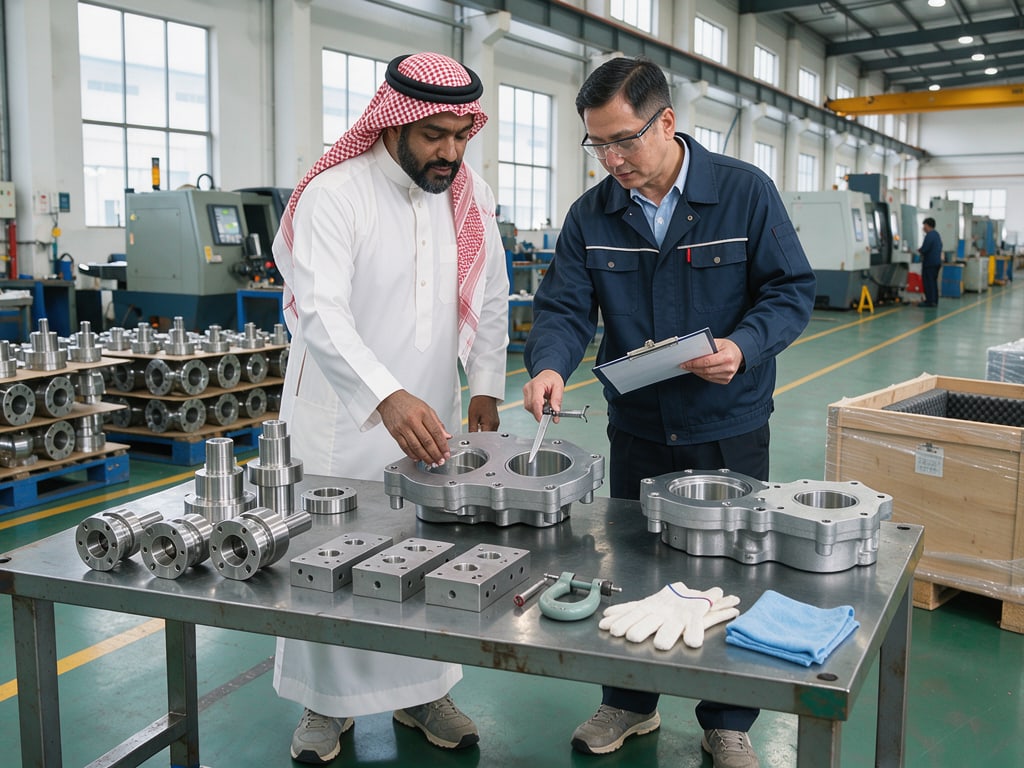
For larger or repeat orders, a factory audit confirms that the supplier makes what they sell and has working quality systems.
2. Approve a sample, then put it in writing
Order samples and test them against your requirements. Once a sample is approved, record the specification in the purchase order: materials, dimensions, ratings, packaging, labelling and the standards the goods must meet. That document is what you will inspect against later.
3. Agree payment and trade terms
A common structure is a deposit with the order and the balance against inspection or shipping documents. For high-value orders, a letter of credit adds protection on both sides. Agree the Incoterms too: FOB lets you control freight from the Chinese port, while CIF leaves freight to the supplier.
4. Inspect before the goods leave
A pre-shipment inspection by an independent inspector checks quantity, workmanship, function, markings and packing against your order, using a sampling standard (AQL). It costs far less than discovering a problem in Dammam. For critical items, add inspections during production as well.
5. Arrange Saudi compliance early
Chinese suppliers are often unfamiliar with Saudi requirements. Before production finishes, make sure you have:
- the SABER product and shipment certificates, or the SFDA approvals your product needs (see our SABER guide);
- Arabic labelling and markings where the regulation requires them;
- a commercial invoice and packing list that describe the goods exactly as registered;
- a certificate of origin;
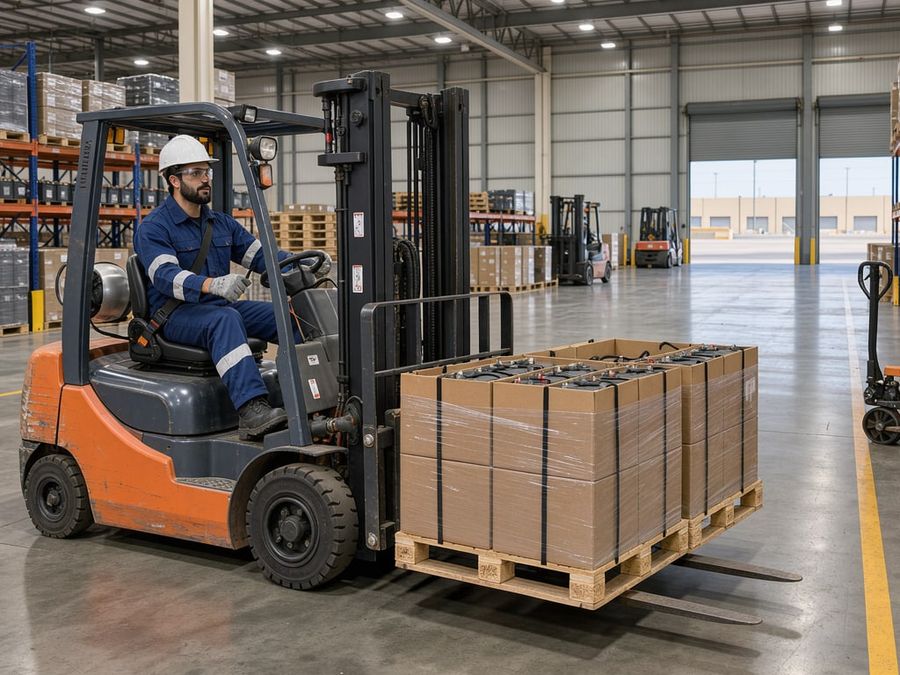
- for batteries and other dangerous goods, safety data sheets and transport test reports.
6. Ship and clear
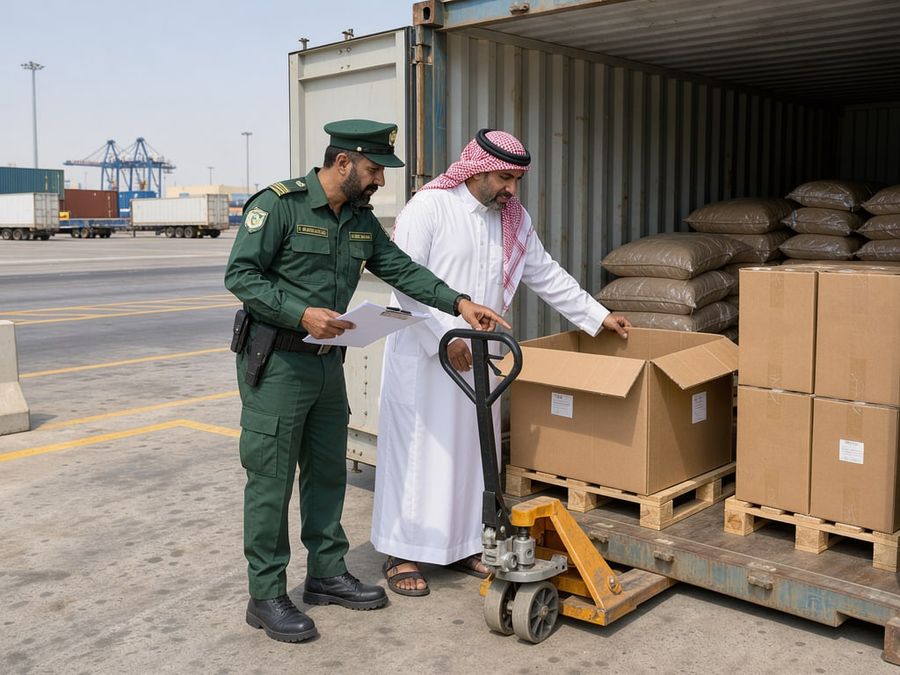
Most cargo travels by sea from ports such as Shanghai, Ningbo or Shenzhen to Dammam or Jeddah, a journey of several weeks; air freight suits urgent or high-value items. Full container loads are usually the most economical per unit, while consolidated shipments suit smaller orders. On arrival, the declaration is filed on FASAH and duty and VAT are paid before release.
Avoid these pitfalls
- Paying the full amount before inspection.
- Accepting a supplier's "certificate" without checking that it matches the model and the Saudi regulation.
- Branded goods without proof of authorisation, which can be seized as counterfeit.
- Starting compliance after the goods are on the water.
How we help
Our import from China service covers the whole route: supplier vetting, samples, inspection, SABER, freight and customs clearance, with delivery to your site. Tell us what you need to source and we will come back with options and a landed price.